The Balkans rarely top the lists of best places to work remotely, which is precisely why they work so well. You get Central European time zones, fast fibre in most city flats, tram and bus networks that actually run, and a café culture that treats a two-hour espresso as entirely reasonable. What you don't get is a £1,400 studio in a tourist district.
Below is a working breakdown of what a month costs in Tirana, Skopje and Sarajevo — the three cities most remote workers land on first. Treat the figures as realistic ranges rather than quotes. Rents move with season and demand, and exchange rates shift, so check current listings and ask locally before you commit to anything.
Why these three cities, and what they have in common
Tirana, Skopje and Sarajevo share a useful set of traits: walkable centres, cheap produce markets, and a growing number of cafés that tolerate laptops. None has the polished nomad infrastructure of Lisbon or Tbilisi, so you'll do more legwork — finding a flat through local Facebook groups, for example, rather than a booking platform.
They differ in feel. Tirana is the fastest-moving and the priciest of the three, with the coast an hour away. Skopje is the cheapest and the most chaotic, framed by a mountain. Sarajevo sits between them: compact, atmospheric, and cold enough in winter that heating bills matter.
Rent: the single biggest variable
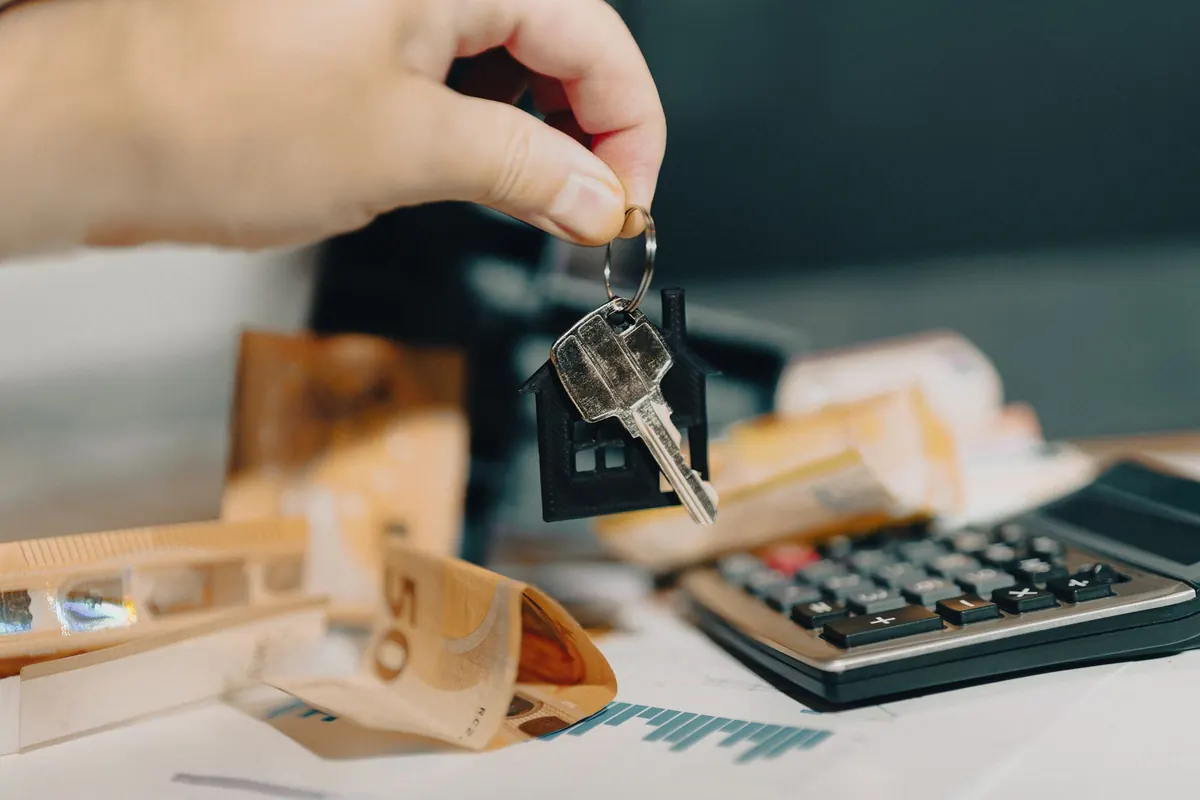
Rent decides whether your month costs £800 or £1,400. In all three cities, long-term furnished lets cost noticeably less than short-stay apartments, and landlords usually want a commitment of three to six months.
- Tirana: a one-bedroom flat in a central-ish area such as Blloku or near the Lana often falls somewhere in the €400–€600 range per month, with utilities on top. Outer neighbourhoods can drop towards €300.
- Skopje: the cheapest of the three. A one-bedroom in or near the centre typically sits around €250–€400. Flats north of the Vardar tend to be cheaper still.
- Sarajevo: expect roughly €300–€450 for a central one-bedroom, with Baščaršija-adjacent places at the upper end and Novo Sarajevo or Ilidža lower.
Heating is the detail people forget. Sarajevo and Skopje both have proper winters, and if your rent excludes utilities, budget an extra €60–€120 a month from November to March.
Food: markets versus supermarkets
Groceries
A single person cooking most meals can eat well on roughly €180–€280 a month across all three cities. Fresh produce from street markets is far cheaper than the supermarket equivalent — a kilogram of tomatoes, peppers or seasonal fruit costs very little — and Skopje's markets and Sarajevo's Markale are good examples. Meat, cheese and coffee add up faster than vegetables.
Eating out
A simple lunch — burek, a bowl of soup, a plate of grilled meat — often costs the equivalent of a few pounds. A mid-range dinner for two with drinks is a modest night out by UK standards. Eat out daily and you'll add €150–€250 to your monthly total; treat it as a weekly thing and you'll add far less.
Coffee deserves its own line. In all three cities an espresso or macchiato is cheap enough that a café work session barely dents your budget, provided you keep ordering.
Transport: cheap, frequent and occasionally confusing
Public transport is the easiest place to save.
- Single tickets on Tirana's bus network and Sarajevo's trams and trolleybuses cost very little; multi-day or monthly passes work out cheaper.
- Skopje's buses are cheap, but routes and timings can be opaque — a local route app or a screenshot of the network map helps.
- Taxis and ride-hailing are affordable enough for occasional use, especially late at night.
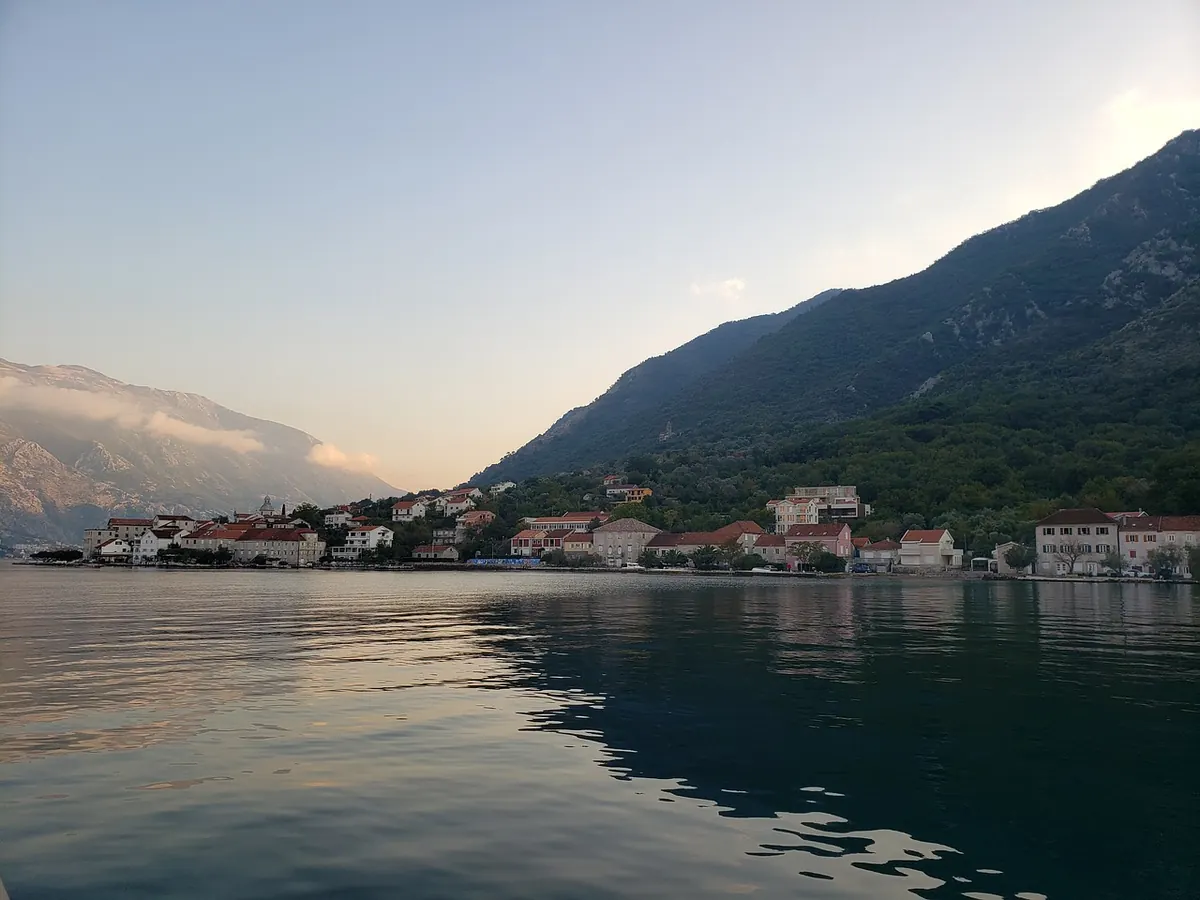
Tirana is building out its cycling infrastructure, Sarajevo's centre is walkable, and Skopje's flat valley makes a bicycle practical for much of the year. For day trips — Ohrid, Mostar, Kotor — intercity buses are the budget option and take longer than you'd expect.
Co-working, cafés and connectivity
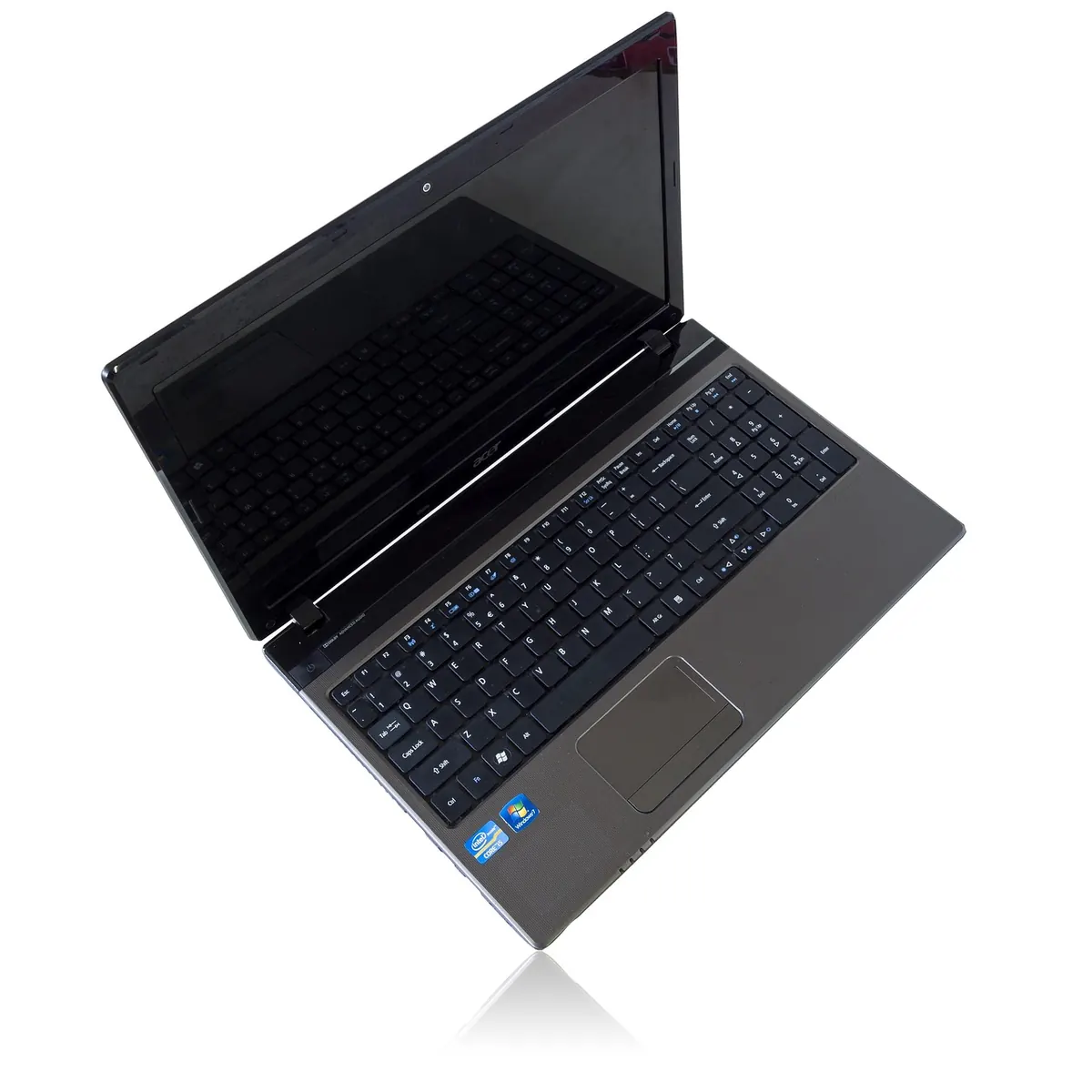
Dedicated co-working spaces exist in all three, but they're smaller operations than you'd find in Western capitals.
- Tirana: the widest choice, with several central spaces and a handful aimed at startups. Monthly hot desks generally land in the €120–€220 range.
- Skopje: fewer options and lower prices, often €80–€150 a month.
- Sarajevo: a growing scene, roughly €100–€180 a month, with day passes available.
If that feels steep, cafés fill the gap. The trade-off is wi-fi quality and the unspoken rule that one coffee doesn't buy you a whole afternoon. A local mobile data package as backup is cheap and worth having.
A realistic monthly budget
For a single remote worker living modestly but comfortably:
- Rent and utilities: €350–€650
- Groceries: €180–€280
- Eating out and coffee: €80–€200
- Transport: €20–€40
- Co-working or café days: €80–€200
- Phone, data and odds and ends: €30–€60
That puts a comfortable month in Tirana at roughly €900–€1,400, with Skopje at the lower end and Sarajevo in between. Add travel, insurance and a buffer. If you're moving money between currencies, compare transfer services rather than assuming your bank gives the best rate — and for anything tax-related, take professional advice.
Before you book
A few practical moves that save both money and headaches.
- Book two to four weeks of short-stay accommodation, then find a long-term flat locally. Landlords often discount for longer commitments.
- Join country-specific Facebook groups and expat forums before you arrive. Sublets and flatmate rooms appear there first.
- Ask about utility costs in writing, especially heating. Winter bills in Sarajevo and Skopje catch people out.
- Run a speed test before signing anything. Fibre is common, but not everywhere.
- Pick up a local SIM early. Data is cheap and it makes everything from maps to bank verification simpler.
- Check entry and visa rules for your nationality well ahead. Some stays are limited, and rules change.
The Balkans won't hand you a ready-made nomad scene. What they offer instead is a low cost base, good food, and cities that are genuinely pleasant to spend a season in. Arrive with a flexible plan and you'll spend far less than you would further west.
Photo: ravisimo / Pixabay