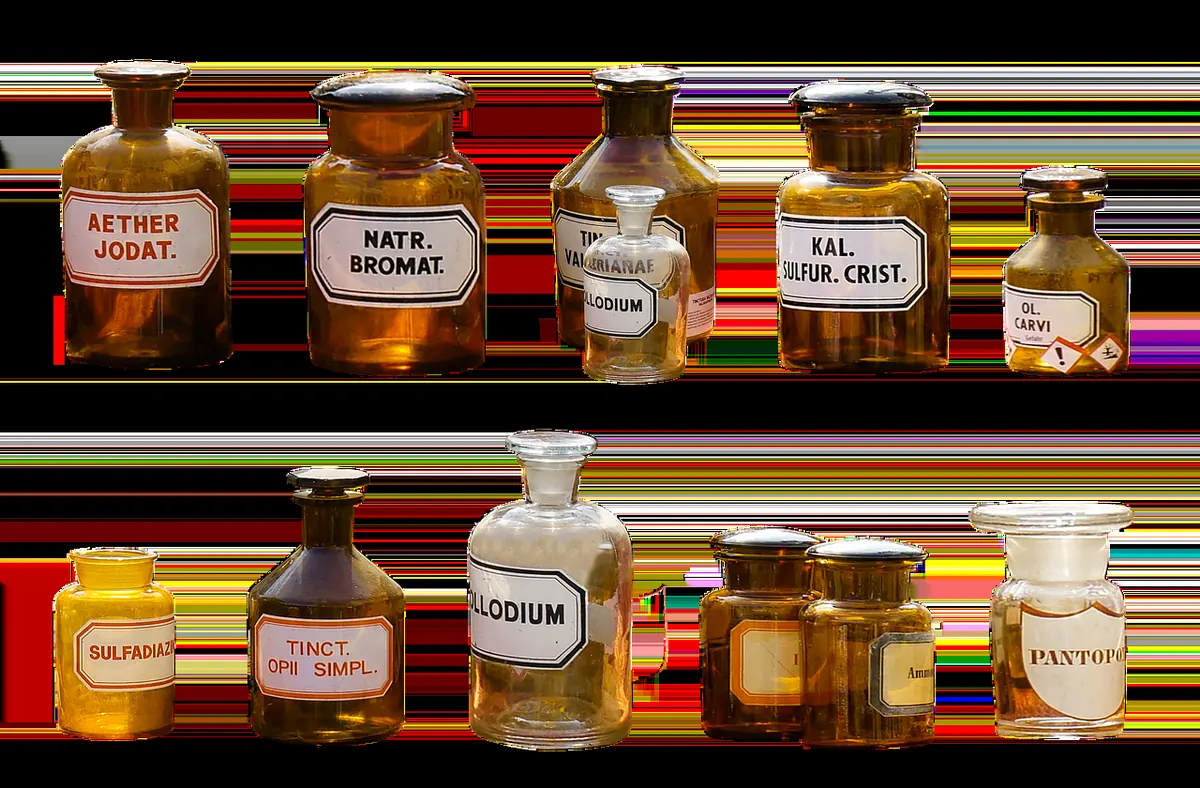
The awkward truth about long-term travel is that your body doesn't pause while you're away. A repeat prescription runs out in Lisbon. A molar starts complaining in Chiang Mai. You need a blood test that your GP back home would have arranged in ten minutes flat. None of it is dramatic, but all of it needs a plan — and that plan is far easier to build at your kitchen table than to improvise over hostel wifi at midnight.
Ordering Repeat Prescriptions From Abroad
If you're registered with a GP in the UK, your repeat prescription list lives with that practice. Most now let you order through the NHS App or their own online system, and you can nominate a pharmacy to receive prescriptions electronically. That's the machinery worth understanding before you leave.
Three arrangements cover most situations:
- Repeat dispensing. In England, ask whether your medication can be issued as an electronic repeat dispensing batch. Instead of ordering each month, the pharmacy holds a series of prescriptions and dispenses them as they fall due. It's designed for stable, long-term medication. Availability varies, and the systems in Scotland, Wales and Northern Ireland differ, so ask your own practice.
- A named person at home. If your prescription still goes to a UK pharmacy, a trusted friend or relative can collect it and post it on — provided you've arranged that in advance and the destination country allows medicines in the post.
- A longer supply before you fly. Practices can sometimes issue an extended supply for travel, but it's at their discretion and depends on the medicine. Ask well ahead, explain your dates, and don't leave it to the week of departure.
Do also ask how your practice handles patients who are away for long stretches. Living abroad can affect your registration, and it's better to know where you stand than to find out when you need a refill. This is general information rather than medical advice — your prescriber and practice are the people to confirm the details with.
Travelling With Medication
The practical rules are boring, and they work.
- Keep everything in its original, labelled packaging. Loose pills in a weekly organiser look suspicious to a customs officer.
- Carry medication in your hand luggage, and split it between bags if you're travelling with someone. Checked luggage goes missing.
- Take more than you need. A week or two extra covers delays, lost bags and a change of plan.
- Carry a copy of your prescription and a letter from your prescriber listing generic names, doses and what each medicine is for. Generic names matter: brands differ from country to country.
- Check the rules for every country you'll pass through, including a transit stop. Controlled drugs — some painkillers, ADHD medication, certain sedatives and sleeping tablets — are the usual sticking point, and some countries require an import permit or advance permission.
- If something needs to stay cold, plan the journey: insulated bag, hotel fridge, and a word with the airline in advance if you're carrying anything bulky.
Your GP or pharmacist can usually provide a travel letter, sometimes for a small fee. Give them a couple of weeks' notice.
Finding English-Speaking Clinics
Most larger cities have private international clinics where consultations happen in English. They're the default for minor illness and are usually quick to book. Beyond that:
- Your embassy or consulate often keeps a list of local doctors, some of whom work in English.
- Your insurer will have a directory of approved clinics and a helpline — call it before you book anything you intend to claim for.
- Expat and nomad groups in the area are genuinely useful for recommendations, especially dentists and physiotherapists.
- Local pharmacists can advise on and treat a lot of minor problems without an appointment, and they're often cheaper than a clinic.
- Some UK private GP services offer video consultations for people abroad. They can advise and sometimes issue a private prescription, but getting it dispensed locally is a separate problem worth solving first.
What Travel Insurance Actually Covers
Travel insurance is built around emergencies: an accident, a sudden illness, a hospital stay. It generally is not designed to fund the routine management of a condition you already have. Anything pre-existing needs to be declared, and cover for it varies enormously between policies.
If you're away for months rather than weeks, look at long-stay travel policies and international private medical insurance. Some include routine appointments, prescriptions and screening, often as add-ons rather than standard cover. Read the exclusions and ask directly: does this pay for prescription costs, GP visits, dental treatment, and a flare-up of a condition I already have?
Then behave like someone who expects to claim. Save the emergency number offline, call for authorisation before non-urgent treatment, and keep every receipt and discharge note. Insurance is a regulated product and circumstances differ, so take professional advice if you're unsure what you need.
Routine Care That Slips Through the Cracks
Nomad life is very good at postponing things. Dental check-ups, eye tests, cervical screening, blood pressure checks, vaccinations and mental health support all quietly slide when you're moving every few months.
Plan them around trips home. Book appointments weeks ahead of a visit, bundle them into the same fortnight, and keep a simple health file: vaccinations and dates, current medication, allergies, past test results, next-due dates. A note on your phone is fine. When a new doctor asks for your history at nine in the evening in a city you landed in that morning, having it written down is worth more than you'd expect.
A Simple Pre-Trip Checklist
- Confirm your repeat prescription status and ask about repeat dispensing or a longer travel supply.
- Request a travel letter listing your medicines by generic name.
- Check entry rules for your medication in every country on the itinerary, transit stops included.
- Count your supply, add a buffer, and pack it in hand luggage in original packaging.
- Check your insurance: pre-existing conditions declared, prescription and GP costs covered, emergency number saved offline.
None of this takes more than an afternoon. Do it once properly and you can get on with the part of nomad life you actually signed up for.
Photo: garten-gg / Pixabay